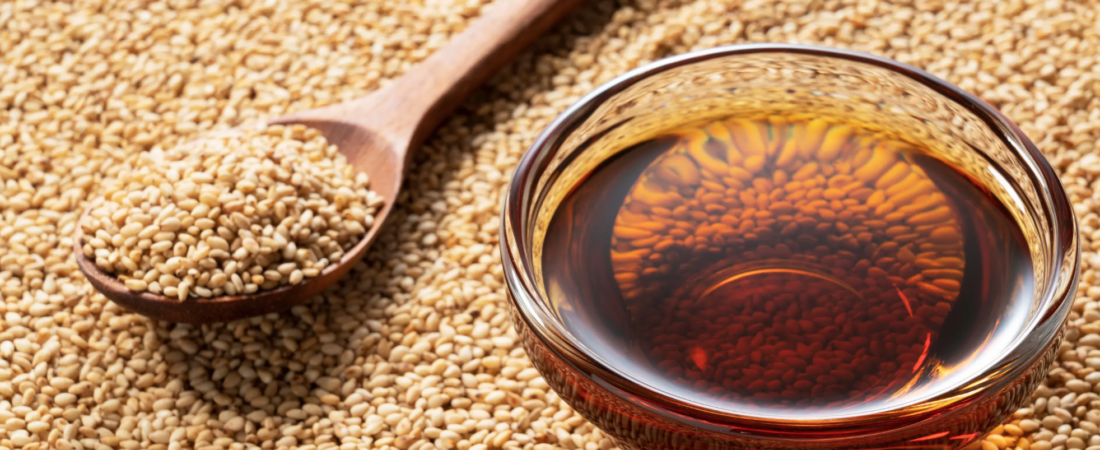

Sesame Oil: The Golden Essence of Asian Cuisine and Wellness
Few ingredients carry the rich cultural heritage, culinary depth, and health significance of sesame oil. From bustling street markets in East Asia to family kitchens across the Middle East and South Asia, sesame oil has remained a treasured staple for thousands of years. Known for its deep nutty aroma, versatile cooking applications, and impressive nutritional profile, sesame oil is more than just a cooking ingredient — it is a symbol of tradition, flavor, and wellness.
This article explores how sesame oil is produced, the traditional and modern methods used in its manufacturing, its importance in Asian markets, and the many health benefits that continue to make it one of the world’s most valued edible oils.
The Ancient Origins of Sesame Oil
Sesame is one of the oldest cultivated crops known to humanity. The tiny seeds of the sesame plant have been harvested for over 3,000 years and were widely used in ancient civilizations throughout Asia, Africa, and the Middle East. The oil extracted from sesame seeds quickly became prized for its long shelf life, rich flavor, and medicinal properties.
Today, countries such as China, India, Japan, South Korea, Myanmar, and Vietnam remain among the largest consumers and producers of sesame oil. In many Asian cultures, sesame oil is not simply food — it is deeply connected to health practices, religious traditions, and everyday cooking.
How Sesame Oil Is Produced
The production of sesame oil combines agricultural expertise, careful seed preparation, and extraction techniques that preserve flavor and nutrients.
1. Harvesting Sesame Seeds
Sesame plants produce pods filled with tiny seeds that vary in color from white and golden brown to black. Farmers harvest the plants once the pods mature and begin to dry. The seeds are then separated, cleaned, and sorted to remove impurities such as dust, stones, and damaged seeds.
High-quality sesame oil begins with selecting premium sesame seeds, as the flavor and nutrient content depend heavily on seed quality.
The Process of Making Sesame Oil
Cleaning and Drying
Before extraction, sesame seeds undergo thorough cleaning and drying. This process reduces moisture content and prevents spoilage during oil extraction.
Roasting the Seeds
One of the defining steps in sesame oil production is roasting.
The seeds are roasted at controlled temperatures to enhance their nutty aroma and flavor. Dark sesame oil, commonly used in Korean, Japanese, and Chinese cuisine, gets its distinctive fragrance from this roasting process.
Light sesame oil, on the other hand, is often made from unroasted seeds and has a milder taste suitable for frying and general cooking.
Grinding and Pressing
After roasting, the seeds are crushed or ground into a paste. The oil is then extracted using one of two main methods:
Traditional Cold Pressing
In traditional production, stone mills or wooden presses slowly extract oil from the seeds without excessive heat. This method preserves nutrients, antioxidants, and natural flavor compounds.
Modern Mechanical Extraction
Industrial production often uses hydraulic or screw presses that increase efficiency and output while maintaining consistent quality.
Filtration and Refinement
The extracted oil is filtered to remove seed particles and impurities. Some sesame oils undergo additional refining to create a lighter color and neutral flavor, while premium artisanal oils are minimally processed to preserve authenticity.
Packaging and Distribution
Finally, the oil is packaged in bottles or containers and distributed to domestic and international markets.
Types of Sesame Oil
Light Sesame Oil
Made from raw sesame seeds, this oil has a subtle flavor and high smoke point, making it ideal for sautéing, frying, and everyday cooking.
Toasted Sesame Oil
Produced from roasted sesame seeds, toasted sesame oil has a dark color and intense nutty aroma. It is commonly used as a finishing oil in Asian dishes, sauces, marinades, and soups.
Sesame Oil’s Importance in Asian Markets
Sesame oil plays a vital role across Asian economies and culinary traditions.
Culinary Significance
In countries like China, Japan, and Korea, sesame oil is an essential ingredient used in:
- Stir-fries
- Noodle dishes
- Marinades
- Salad dressings
- Dumpling fillings
- Soups
- Barbecue sauces
The oil’s distinctive aroma enhances both simple home-cooked meals and high-end restaurant cuisine.
Cultural and Traditional Value
Sesame oil is deeply woven into Asian traditions and holistic wellness practices. In some cultures, it is used during postpartum care, massages, religious rituals, and herbal remedies.
Economic Importance
Asia dominates global sesame oil consumption and production. Millions of farmers depend on sesame cultivation for income, while food manufacturers and exporters benefit from the growing global demand for authentic Asian flavors.
The popularity of healthy oils and plant-based nutrition has also increased international demand for sesame oil in Europe and North America.
Health Benefits of Sesame Oil
Sesame oil is widely respected not only for flavor but also for its powerful nutritional properties.
Rich in Healthy Fats
Sesame oil contains heart-friendly unsaturated fats, including omega-6 fatty acids and monounsaturated fats, which may help support cardiovascular health.
Packed with Antioxidants
Sesame oil naturally contains antioxidants such as sesamol and sesamin. These compounds help combat oxidative stress and may protect cells from damage.
Supports Heart Health
Research suggests that sesame oil may help:
- Reduce bad cholesterol (LDL)
- Support healthy blood pressure
- Improve circulation
Its anti-inflammatory properties also contribute to overall cardiovascular wellness.
Anti-Inflammatory Properties
Sesame oil has been traditionally used in natural medicine because of its potential anti-inflammatory effects. Some studies indicate it may help reduce inflammation associated with arthritis and chronic conditions.
Good for Skin and Hair
Sesame oil is commonly used in beauty and skincare products because it:
- Moisturizes dry skin
- Helps strengthen hair
- Contains vitamin E and antioxidants
- May support wound healing
May Help Regulate Blood Sugar
Emerging research suggests sesame oil may assist in maintaining balanced blood sugar levels when incorporated into a healthy diet.
Natural Antibacterial Qualities
Some studies have shown sesame oil possesses antibacterial and antifungal properties, contributing to its traditional use in oral health practices like oil pulling.
Sesame Oil in Modern Global Cuisine
As global consumers increasingly seek authentic flavors and healthier cooking oils, sesame oil has become a favorite ingredient worldwide. Chefs use it to add depth and complexity to:
- Asian fusion dishes
- Vegan cuisine
- Salad dressings
- Dipping sauces
- Marinades
Its versatility and nutritional value continue to fuel international demand.
Sustainability and Future Growth
The future of sesame oil production is evolving with increased focus on:
- Sustainable farming
- Organic cultivation
- Cold-pressed premium oils
- Ethical sourcing
- Eco-friendly packaging
Consumers are also becoming more interested in traceable food production and artisanal oil-making traditions.
Conclusion
Sesame oil represents the perfect balance between tradition, flavor, nutrition, and cultural heritage. From the careful harvesting of sesame seeds to the aromatic roasting and pressing process, every stage contributes to an oil that has nourished generations across Asia and beyond.
Its significance in Asian markets remains unmatched, not only as a culinary essential but also as a symbol of health and wellness. Whether used in cooking, skincare, or traditional remedies, sesame oil continues to earn its reputation as one of nature’s most valuable oils.
As interest in healthy living and authentic global cuisine grows, sesame oil is poised to remain a cherished ingredient in kitchens and cultures around the world for generations to come.