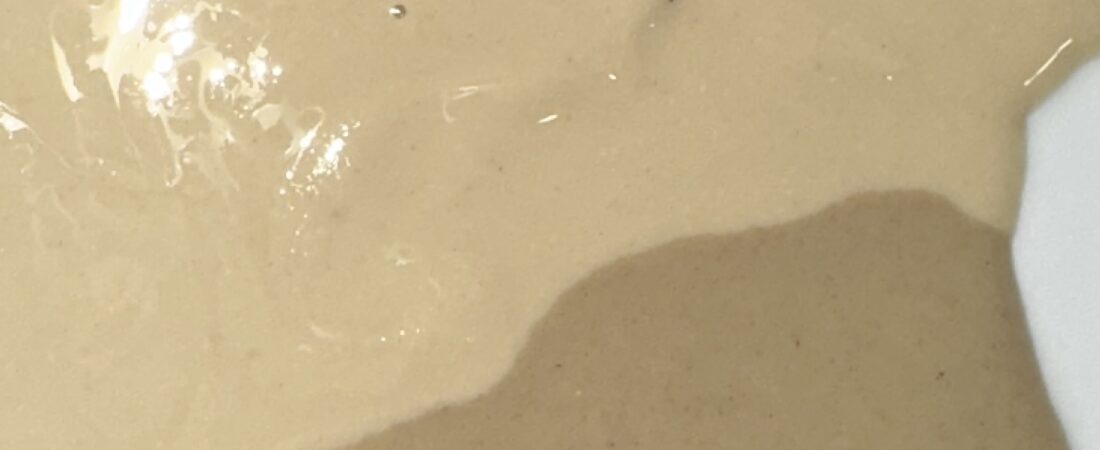

Does Tahini Colour Matter? Understanding Why Some Tahini Turns Dark
Tahini is one of the simplest foods on the shelf: ground sesame seeds transformed into a smooth, creamy paste. Yet anyone who has compared different brands will notice a surprising variation in colour. Some tahini is pale beige and silky, while others appear dark brown, greyish, or even slightly black.
So does tahini colour matter? The answer is yes—but not always in the way people think.
What Colour Should Tahini Be?
Traditional tahini made from properly hulled, lightly roasted sesame seeds is typically a light cream or pale beige colour. This colour reflects both the quality of the sesame seeds and the care taken during processing.
However, there is no single “correct” shade of tahini. Colour can vary naturally depending on:
- The sesame seed variety
- Whether the seeds are hulled or unhulled
- Roasting temperature and duration
- Regional manufacturing traditions
Unhulled sesame seeds retain their outer husk, producing a darker, more robust tahini with a stronger flavour. In these cases, a darker colour is completely normal and often desirable.
When Dark Tahini Signals a Problem
While some colour variation is natural, unusually dark tahini can sometimes indicate manufacturing issues.
Over-Roasting the Sesame Seeds
One of the most common causes of excessively dark tahini is over-roasting.
Sesame seeds contain natural oils, proteins, and sugars that react when heated. Careful roasting develops the nutty flavour consumers expect. However, when roasting temperatures are too high or roasting times are too long, the seeds begin to darken significantly.
The result is tahini that may taste:
- Bitter
- Burnt
- Smoky
- Harsh rather than nutty
Dark colour caused by over-roasting is often accompanied by a loss of the delicate sesame flavour that makes premium tahini desirable.
Burnt Material Entering the Production Line
Industrial roasting equipment must be cleaned and maintained regularly. Burnt seed fragments or carbonised residues can accumulate inside roasting drums and conveyors.
If these residues enter production batches, they can darken the finished tahini and contribute unwanted bitter flavours.
Poor Temperature Control
Modern tahini production relies on precise temperature management. When equipment is poorly calibrated, hot spots can develop during roasting.
Some seeds may roast correctly while others become scorched. The final product may appear darker and less uniform than expected.
Oxidation and Ageing
Tahini naturally darkens slightly over time due to oxidation. Exposure to air, heat, and light can gradually affect both colour and flavour.
While this process is usually subtle, poorly stored tahini may develop a darker appearance alongside stale or rancid notes.
Contamination with Sesame Hulls
Manufacturers producing hulled tahini must effectively remove the outer seed coat before grinding.
If the hulling process is inconsistent, excess hull material can remain in the product. This often creates a darker colour and a grainier texture than consumers expect from premium tahini.
Does Dark Tahini Mean It Is Unsafe?
Not necessarily.
A darker colour alone is not evidence that tahini is unsafe to eat. Many high-quality tahinis are intentionally darker because they are made from unhulled sesame seeds or more heavily roasted sesame varieties.
The key is whether the colour matches the intended style of the product and whether the flavour remains clean and balanced.
Consumers should be more concerned if dark colour is accompanied by:
- Burnt aromas
- Excessive bitterness
- Acrid flavours
- Signs of spoilage or rancidity
What Premium Tahini Manufacturers Aim For
Leading tahini producers focus on consistency. Their goal is not simply to make tahini lighter, but to achieve the same colour, flavour, and texture from batch to batch.
This requires:
- Careful selection of sesame seeds
- Controlled roasting profiles
- Effective hulling processes
- Rigorous quality control
- Proper storage and packaging
When these factors are managed correctly, the resulting tahini has a clean, appealing colour that reflects both quality and craftsmanship.
The Bottom Line
Tahini colour matters because it provides clues about the ingredients and manufacturing process behind the product. A darker colour can be perfectly normal when using unhulled seeds or traditional roasting methods. However, unusually dark tahini may also point to over-roasting, poor process control, excessive hull content, or ageing.
For consumers and food manufacturers alike, colour should be viewed as one indicator of quality—not the only one. The true test of great tahini remains its flavour, aroma, texture, and consistency.